Reliable Water Damage Restoration Experts
Skilled Water Damage Restoration Specialists: Understanding the Process and How We Can Assist You
Water damage poses a serious threat to everyday living and the overall condition of a property. Professional restoration solutions are built to tackle these issues in a systematic manner. From initial assessments to effective water removal, each step is essential. Gaining insight into the restoration process can offer reassurance and a clearer perspective. What specific measures are taken to guarantee thorough drying and prevent future issues? The information uncovered could prove quite revealing.
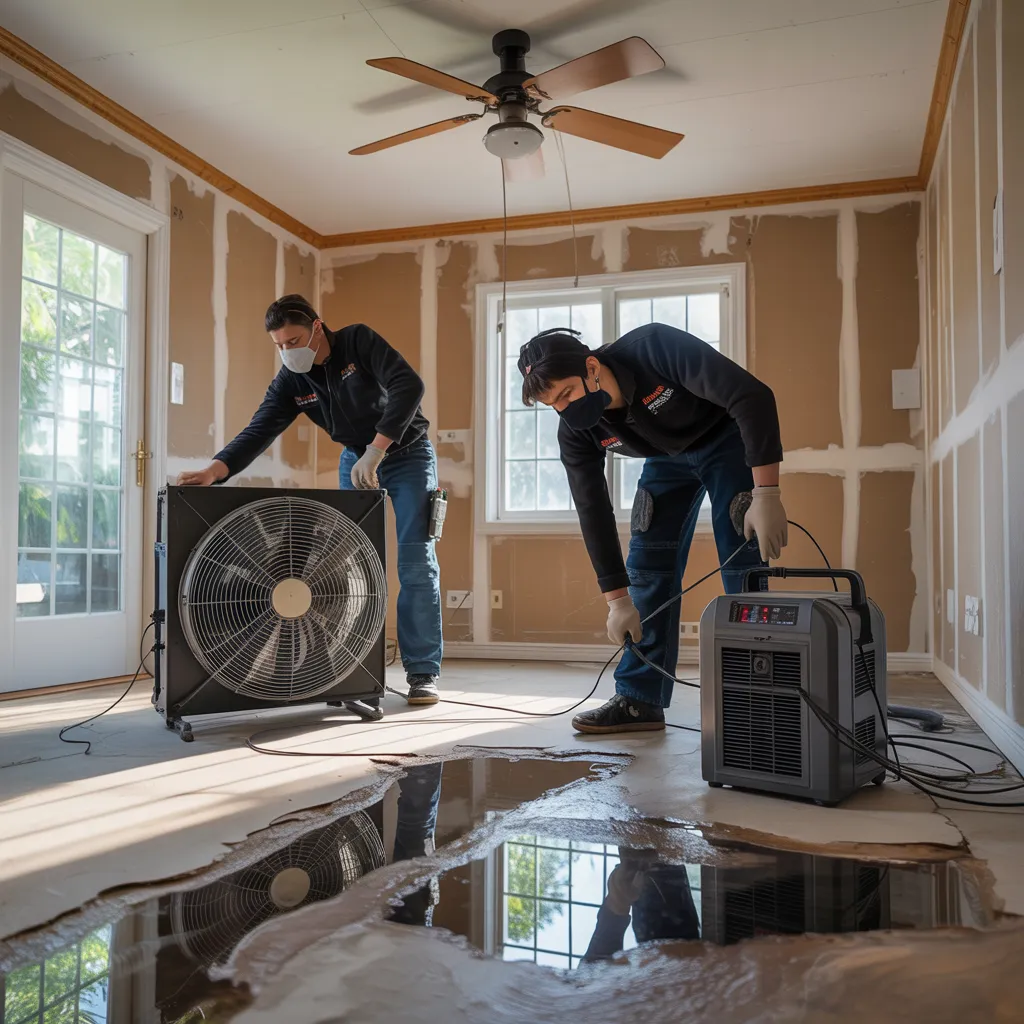
What to Anticipate During Water Damage Restoration
Throughout the water damage restoration process, homeowners can anticipate a methodical approach to addressing the issue. The process typically begins with the swift removal of existing standing water, using pumps and vacuums to mitigate further damage. After this step, specialized equipment such as industrial dehumidifiers and air movers is used to fully dry the impacted areas, ensuring that moisture does not linger and lead to mold growth.
Subsequently, experts evaluate the structural integrity of the structure, inspecting walls, floors, and ceilings for signs of deterioration. Trained specialists also concentrate on cleaning and sanitizing the impacted surfaces, utilizing targeted treatments to remove harmful substances. Throughout this phase, property owners are regularly updated about developments and required repairs. By adhering to these steps, the remediation process seeks to return the property to its original state, securing the health and comfort for the residents.
Opening Assessment: How It Begins?
How can homeowners ensure a comprehensive response to water damage? The first inspection is vital in the restoration process. Upon arrival, experts perform a thorough evaluation to establish the scope of the damage. They inspect affected areas, including walls, floors, and ceilings, to identify hidden moisture and potential structural issues. Using specialized tools, such as moisture meters and infrared cameras, technicians can detect water intrusion that may not be visible to the naked eye.
In addition to evaluating the physical damage, the team evaluates the origin of the water, whether it is from a ruptured pipe, storm flooding, or various other factors. This information helps in devising an effective restoration plan. Homeowners can expect a detailed report outlining the findings and recommended actions. This early inspection lays the basis for all following remediation activities, ensuring a targeted and efficient approach to recovery.
How We Efficiently Remove Water
Water damage repair depends on state-of-the-art extraction processes to efficiently eliminate excess water. Following extraction, thorough drying processes guarantee that all remaining moisture is fully eradicated, preventing further damage and mold growth. These methods are essential for restoring properties to their pre-damage condition efficiently.
Expert Extraction Methods
Effective water removal depends on advanced extraction techniques that guarantee fast and complete drying. Professional water damage restoration services make use of purpose-built tools, such as industrial vacuums and submersible pumping systems, designed to eliminate pooled water with precision. Such equipment can rapidly remove large volumes of water, limiting the likelihood of property deterioration and mold development.
Additionally, skilled specialists assess the damaged sections to establish the most appropriate extraction method, making certain that water trapped in carpets, padding, and walls is addressed. Advanced infrared technology are often used to detect concealed moisture areas, allowing for a detailed extraction process. By utilizing these sophisticated approaches, remediation crews substantially decrease drying time, enabling a more successful recovery from water-related damage.
Thorough Drying Processes
Restoration teams utilize thorough drying techniques to verify that all moisture is eliminated from impacted zones. They use industrial-grade dehumidifiers and air movers to establish ideal airflow, facilitating rapid evaporation. This approach confirms that even concealed moisture, often trapped in walls and flooring, is addressed. Technicians track humidity levels consistently, calibrating equipment as needed to sustain efficiency. Moreover, specialized thermal imaging cameras can be employed to detect areas needing extra attention. The read this article drying process commonly employs a methodical approach, prioritizing the most seriously damaged zones first. By adhering to these detailed drying protocols, restoration teams not only prevent mold growth but also preserve the structural stability of the property, guaranteeing a complete recovery from water damage.
The Significance of Drying and Dehumidification in Water Damage Restoration
Drying and dehumidification are fundamental processes in restoring water-damaged properties, as they promote the quick extraction of moisture from damaged zones. This procedure is vital not only for preventing mold growth but also for safeguarding the structural integrity of structures. Timely intervention can greatly reduce long-term damage and associated repair costs.
Value of Fast Drying
Fast drying and dehumidification are fundamental to mitigating the effects of water damage. When moisture penetrates a property, it rapidly seeps into materials like wood, drywall, and insulation, resulting in structural compromise and potential permanent damage. Thorough drying decreases the moisture content, stopping additional damage and maintaining the structural integrity. Moreover, prompt dehumidification decreases the chance of secondary issues, including discoloration and unpleasant smells that develop when materials stay wet for extended periods. This approach also improves the success of following restoration work, ensuring a smoother recovery. Ultimately, swift intervention through drying and dehumidification is crucial for bringing properties back to their pre-loss condition and maintaining a safe, healthy environment.
Avoiding Mold Growth
Although water damage may result in serious structural problems, it also creates an ideal environment for mold growth if not addressed promptly. Mold thrives in damp conditions, and any leftover moisture resulting from water damage can accelerate its spread. Thorough drying and dehumidification are essential in eliminating this harmful consequence. Restoration professionals utilize industrial-grade dehumidifiers and air movers to extract residual moisture, ensuring that damaged sections are fully dried. This process not only curtails mold growth but also decreases the health dangers connected to mold contact. Timely intervention, combined with appropriate drying techniques, is essential to preserve both the air quality indoors and the overall condition of the property. In the end, mold prevention remains a fundamental aspect of comprehensive water damage restoration.
Maintaining Structural Integrity
Thorough drying and dehumidification are fundamental in maintaining the structural soundness of a property affected by water damage. When moisture enters a structure, it can weaken materials such as wood, drywall, and insulation. Extended contact with moisture results in warping, rotting, and even structural failure. Professional restoration services utilize state-of-the-art drying equipment and methods to quickly eliminate excess moisture from impacted areas. This approach not only addresses immediate damage but also eliminates long-term concerns including foundation instability. By regulating appropriate humidity levels, dehumidification ensures that materials preserve their strength and durability. In the end, prompt and effective drying is essential for protecting a property's structural framework and strengthening its durability against future water-related occurrences.
Home Fix-Up After Water Damage
Next, structural components may need restoration or renewal, based on the extent of the deterioration. The electrical and plumbing systems should be inspected to confirm safety and functionality.
Once structural repairs are complete, the attention turns to aesthetic enhancements, including flooring updates and fresh paint. This step commonly demands meticulous attention to detail to complement the current aesthetic design. Finally, it is essential to perform a comprehensive inspection to ensure that all completed repairs satisfy safety requirements and restore the home to its pre-damage condition. Proper home repairs play a key role in upholding safety standards and property value alike.
Essential Strategies to Prevent Water Damage in the Future
To mitigate the chance of subsequent water damage, homeowners are encouraged to apply precautionary steps that handle existing vulnerabilities in their residences. Consistently checking roofs and drainage channels is essential; confirming they are unobstructed can prevent water pooling and infiltration. Homeowners should also check for vulnerabilities in their pipe systems, as early detection can save considerable repair costs. Additionally, keeping appropriate drainage systems around the home's foundation, which includes slope grading and fitting downspouts, helps direct water away from the home.
Employing sump pumps in basement areas can additionally minimize the likelihood of flooding, most notably in locations that experience heavy rainfall. Setting up water leak detectors can warn homeowners of potential leaks before they become serious. Lastly, strengthening windows and doors with weather stripping can minimize water seepage during storms. By following these approaches, homeowners can substantially lower the likelihood of future flooding issues and preserve the value of their property.
How to Select the Right Restoration Service for Your Requirements?
Following the implementation of precautionary actions against water damage, property owners could find themselves requiring repair services due to unforeseen incidents. Selecting the right company calls for careful consideration of several factors. First, investigate the firm's track record through customer feedback and reviews. An experienced company typically demonstrates trustworthiness and high standards.
Also, confirm that the restoration service is properly licensed and insured, providing a safeguard against potential liabilities. Assess their experience in addressing particular types of water damage, as skill can considerably influence the final results.
Moreover, find out about the selection of services provided, such as structural repairs and mold remediation, which can be essential for comprehensive restoration. Quick response times are equally important; a service that is available 24/7 is recommended. Finally, request estimates and discuss pricing to maintain clarity and eliminate surprise charges. By following these guidelines, homeowners can arrive at a well-informed decision that addresses their unique restoration requirements.
Frequently Asked Questions
How Long Does the Entire Restoration Process Usually Take?
The full restoration process generally takes from a few days up to several weeks, depending on the extent of the damage, what types of materials are affected, and the efficiency of the restoration team involved.
Will My Insurance Cover Water Damage Restoration Costs?
Coverage for water damage restoration differs depending on your policy. Typically, standard homeowners' insurance includes coverage for sudden accidents, however, damage resulting from neglect or flooding may not be covered. Carefully examining the specifics of your policy is recommended to ensure full clarity.
Is It Possible to Remain in My Home During the Restoration?
Throughout the restoration process, it may be possible to stay in the home, depending on the extent of the damage and safety concerns. Experts will evaluate the circumstances and guide homeowners toward the most appropriate solution.
Which Types of Water Damage Are Typically Covered by Insurance?
Insurance commonly protects against water damage from sudden occurrences like broken pipes, leaking roofs, or malfunctioning appliances. That said, progressive damage or flooding from external sources typically demands additional flood coverage for adequate coverage. Always review the details of your policy.
How Can I Identify Hidden Water Damage in My Home?
To detect concealed water damage, you should watch for staining on walls, peeling paint, musty odors, and moisture in unexpected areas. Checking under sinks and behind appliances can also reveal concealed moisture problems.